Concert for the Biocene
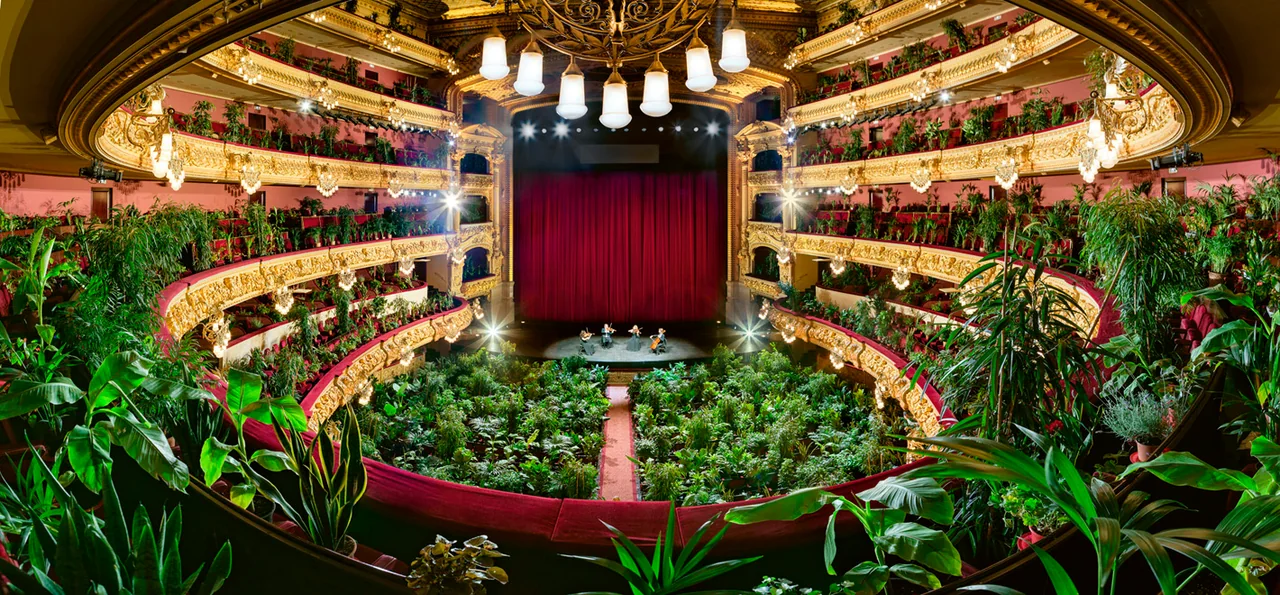
Barcelona's opera house reopened with plants in every seat.
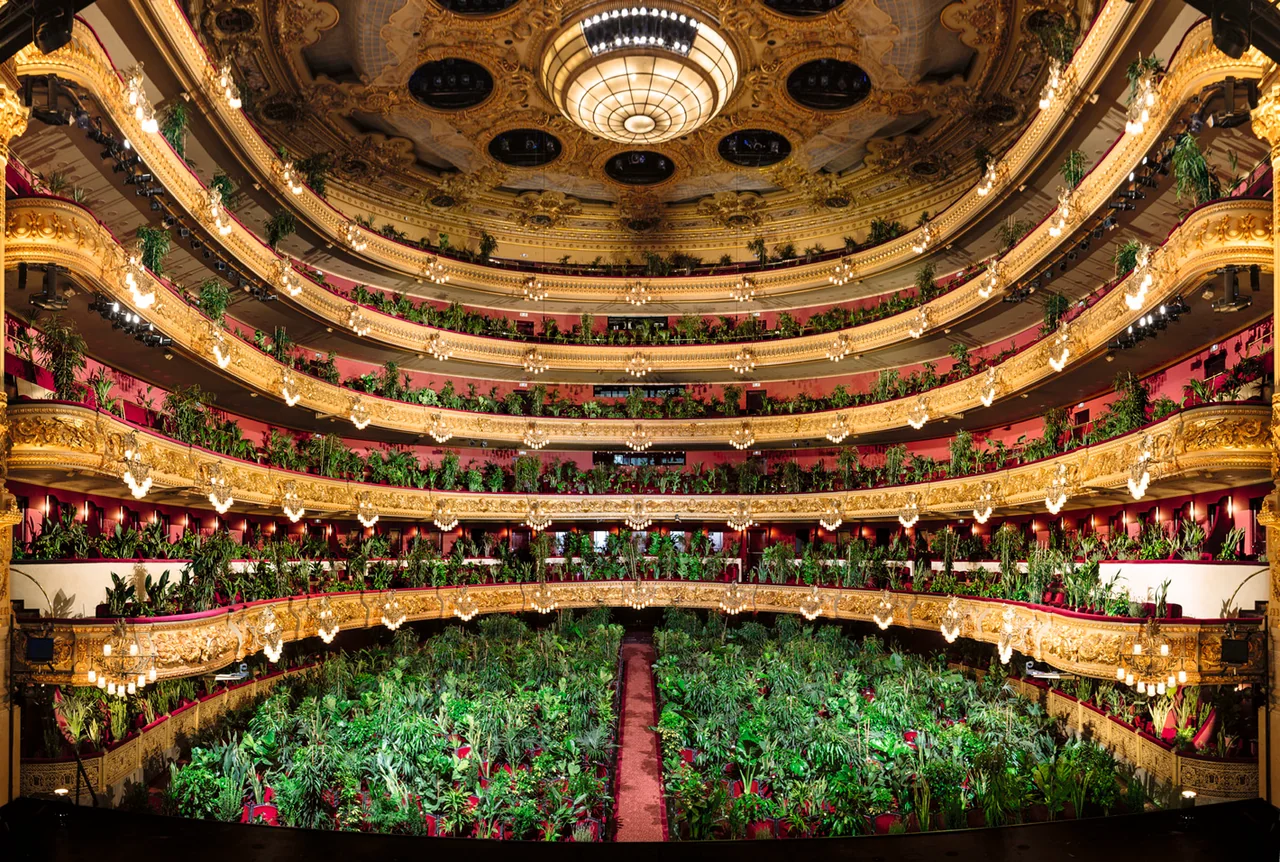
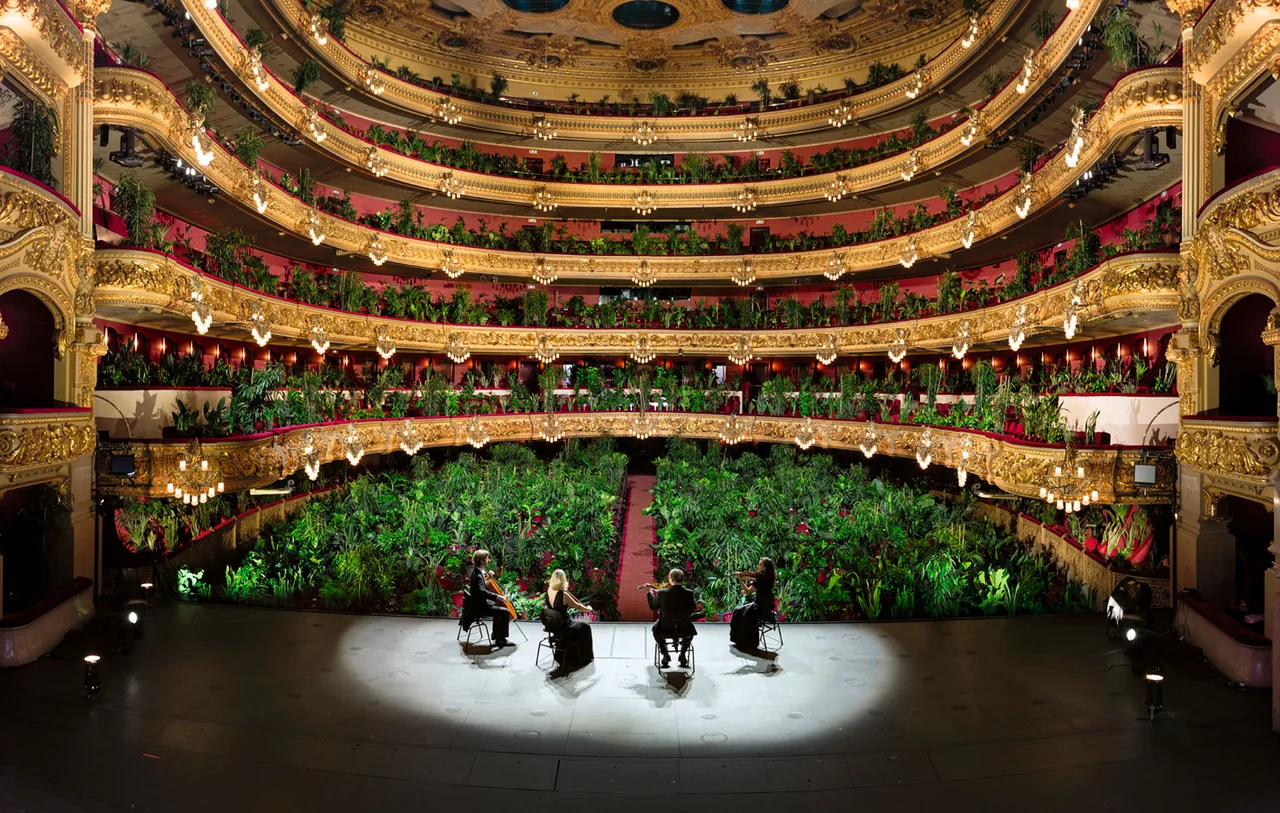
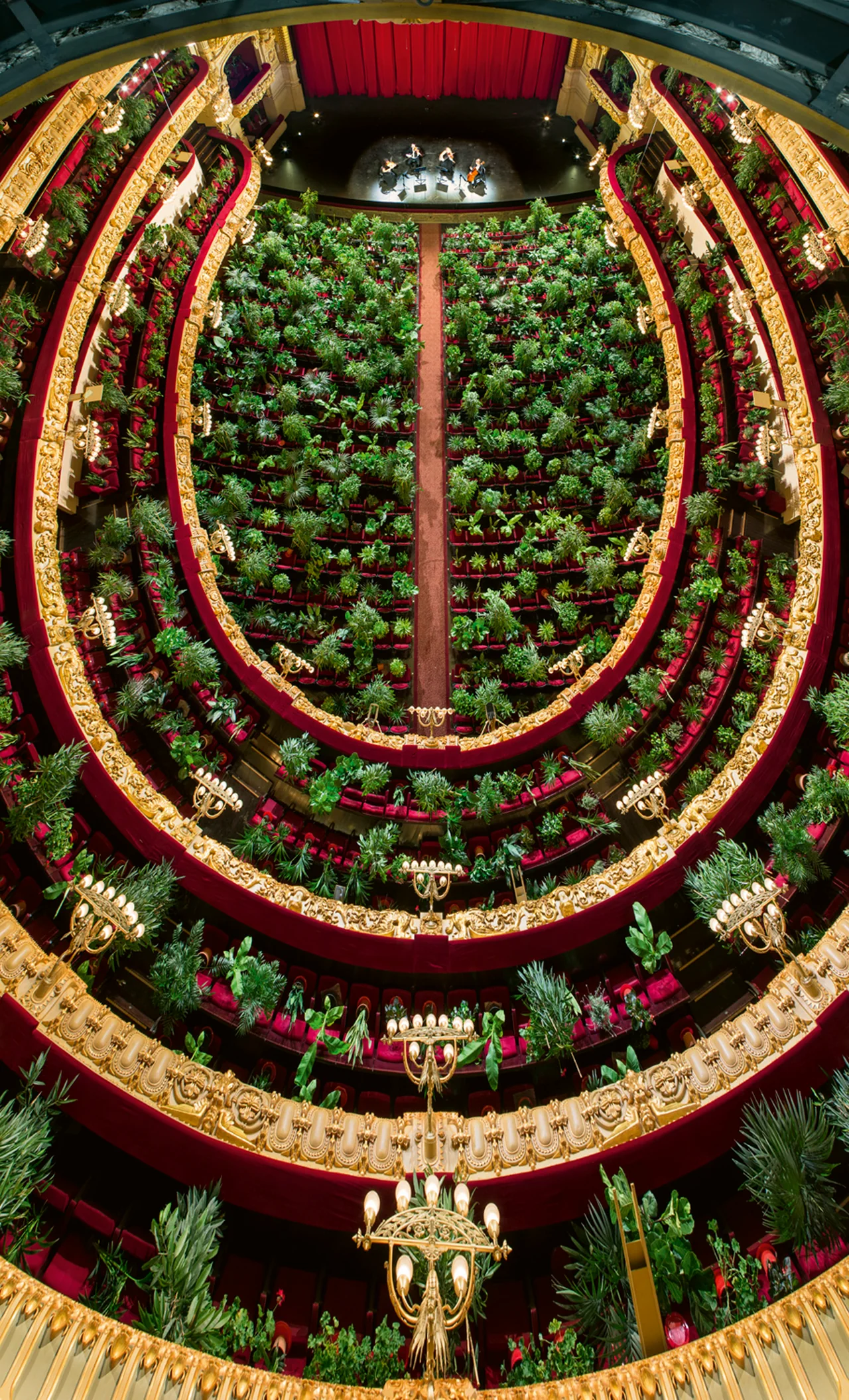
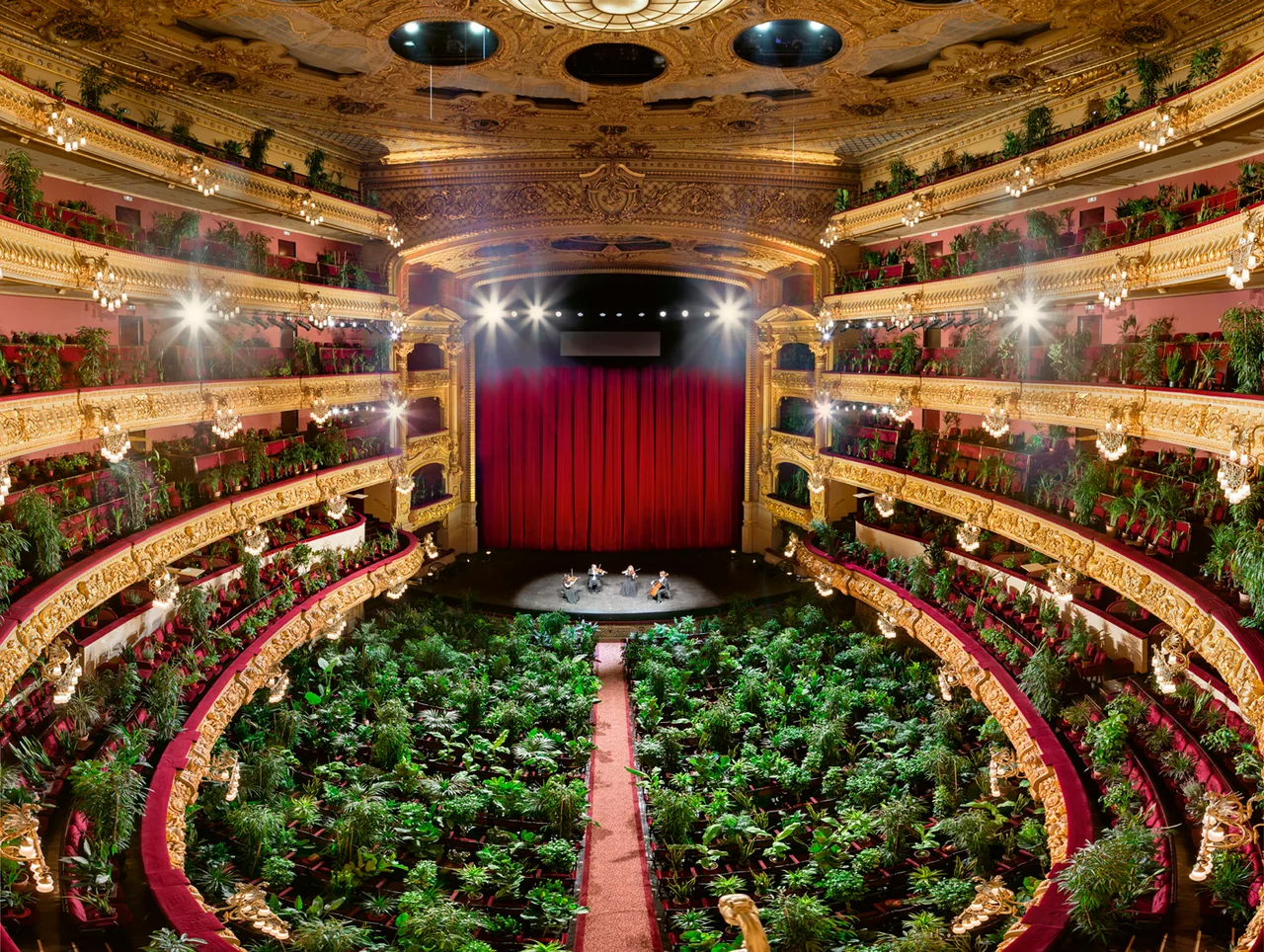
A concert for 2,292 plants
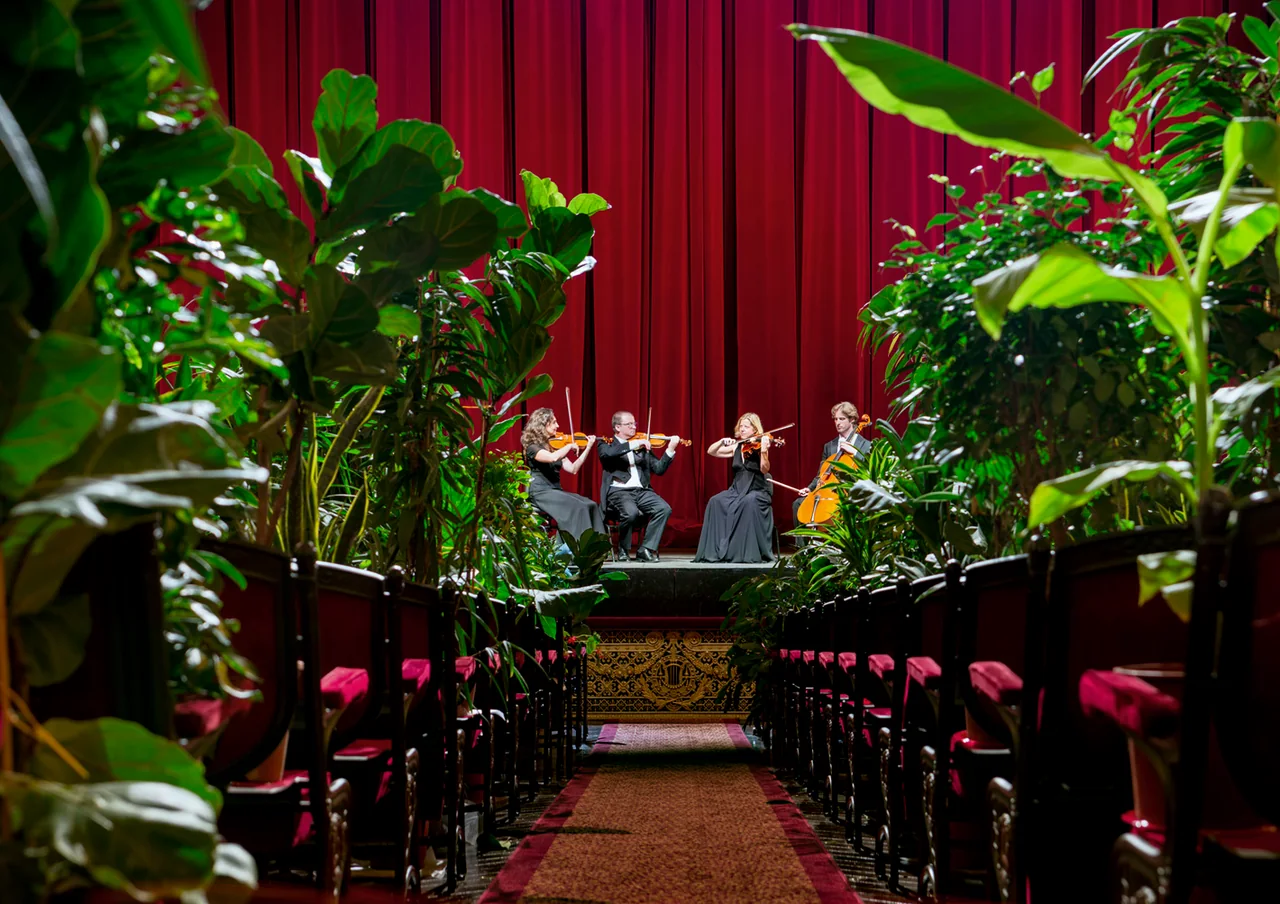
In June 2020, a string quartet performed Puccini's Crisantemi at the Gran Teatre del Liceu. Potted plants filled the auditorium.
Eugenio Ampudia on the work ↗An artist, a quartet, a theatre
The Liceu, Ampudia and Max Estrella Gallery developed the project together. Blanca de la Torre curated it; the UceLi Quartet played.
Max Estrella's concert announcement ↗A reopening after lockdown
The occasion was the theatre's return after lockdown. Ampudia used it to propose giving other living things a more central place in human life.
Eugenio Ampudia on the work ↗
The , the plants went to healthcare workers at Barcelona's Hospital Clínic. ↗
An idea can be worth making
even if the only thing it becomes
is itself.
42 months. Two weeks.
Running Fence
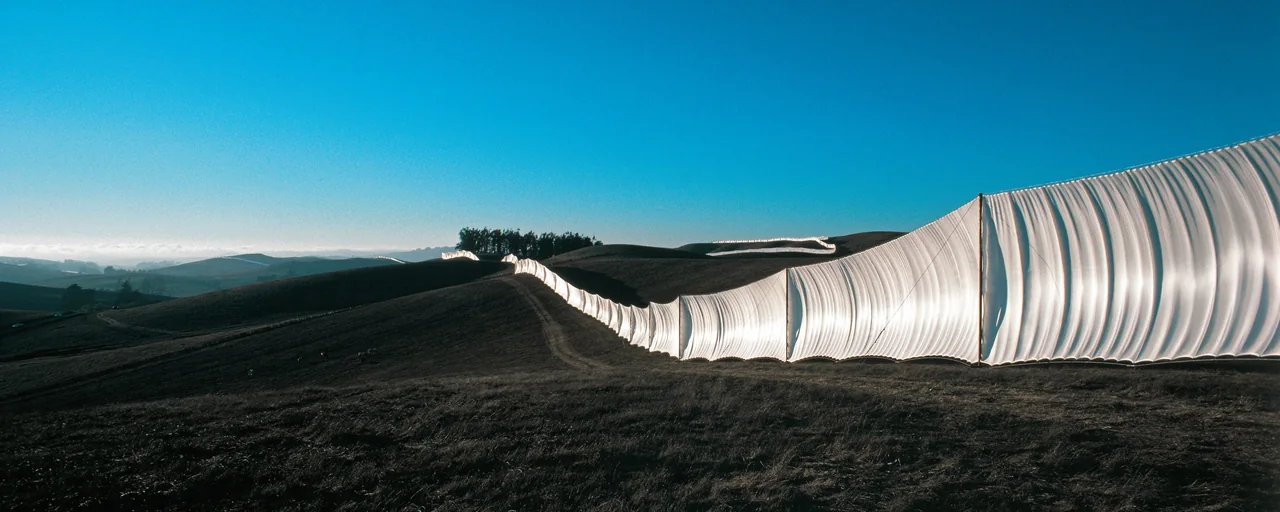
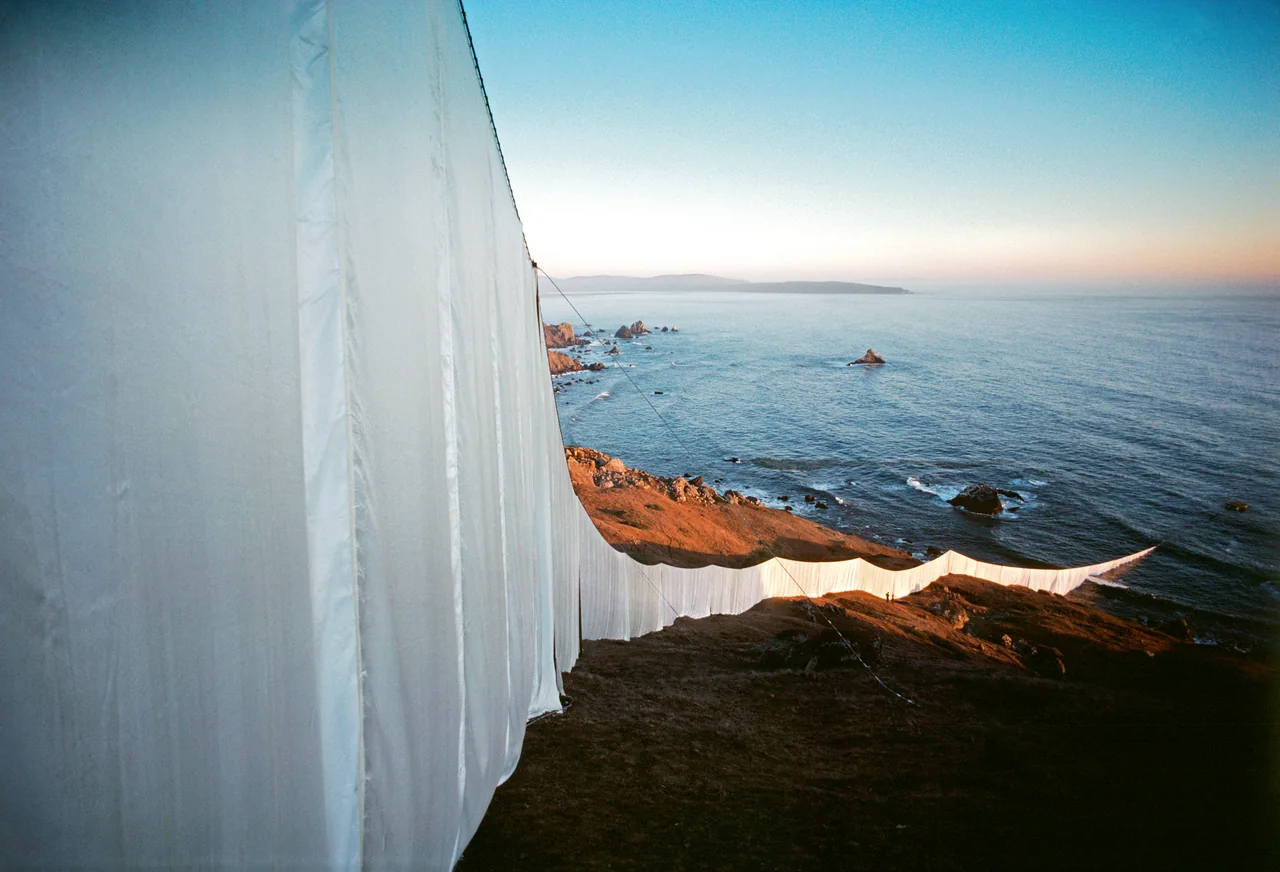
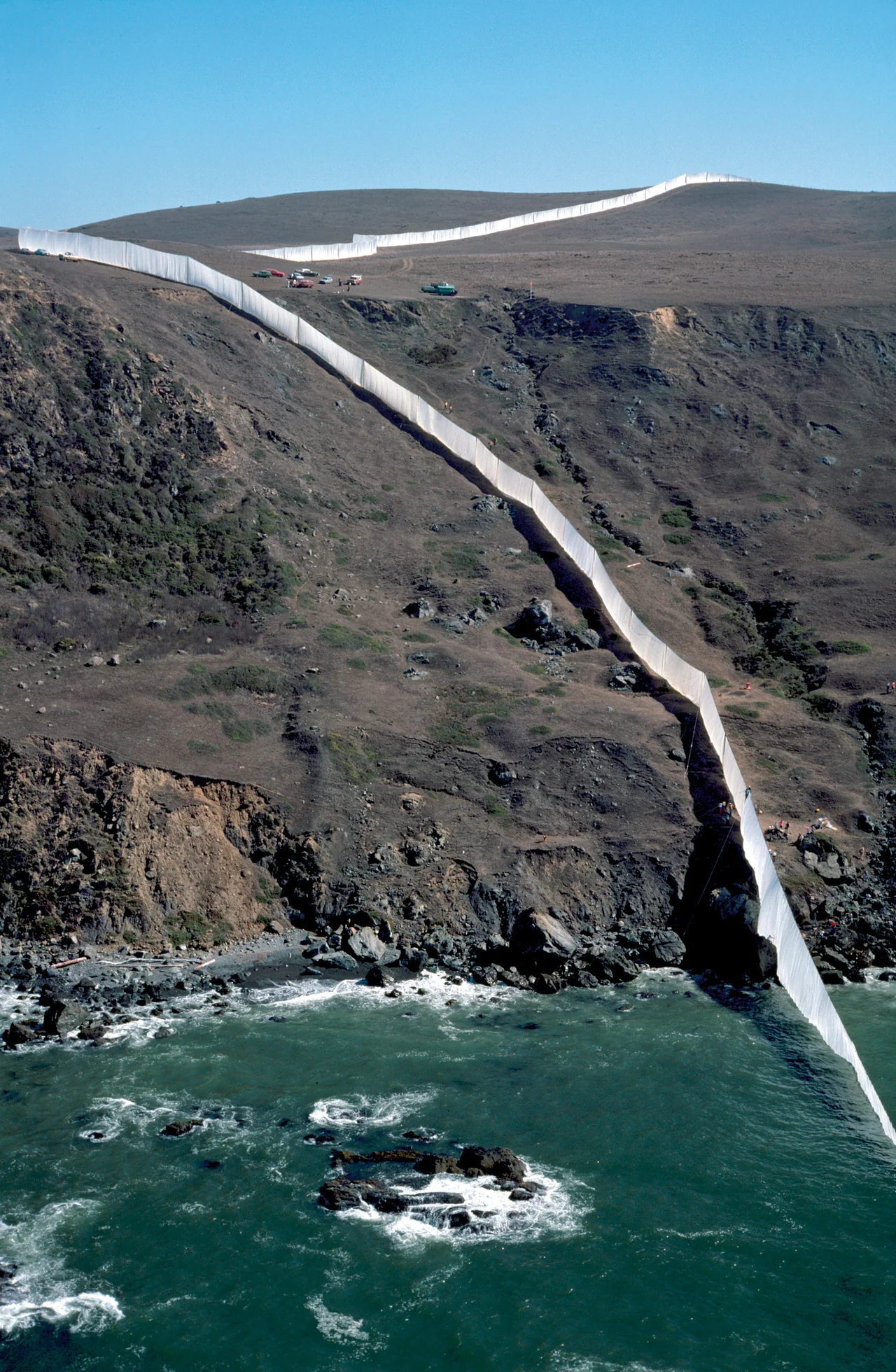
A white fabric fence crossed California hills and entered the Pacific.
24.5 miles of fabric
Running Fence stood eighteen feet high across Sonoma and Marin counties. Completed in September 1976, it existed for two weeks.
Smithsonian American Art Museum ↗The work before the fence
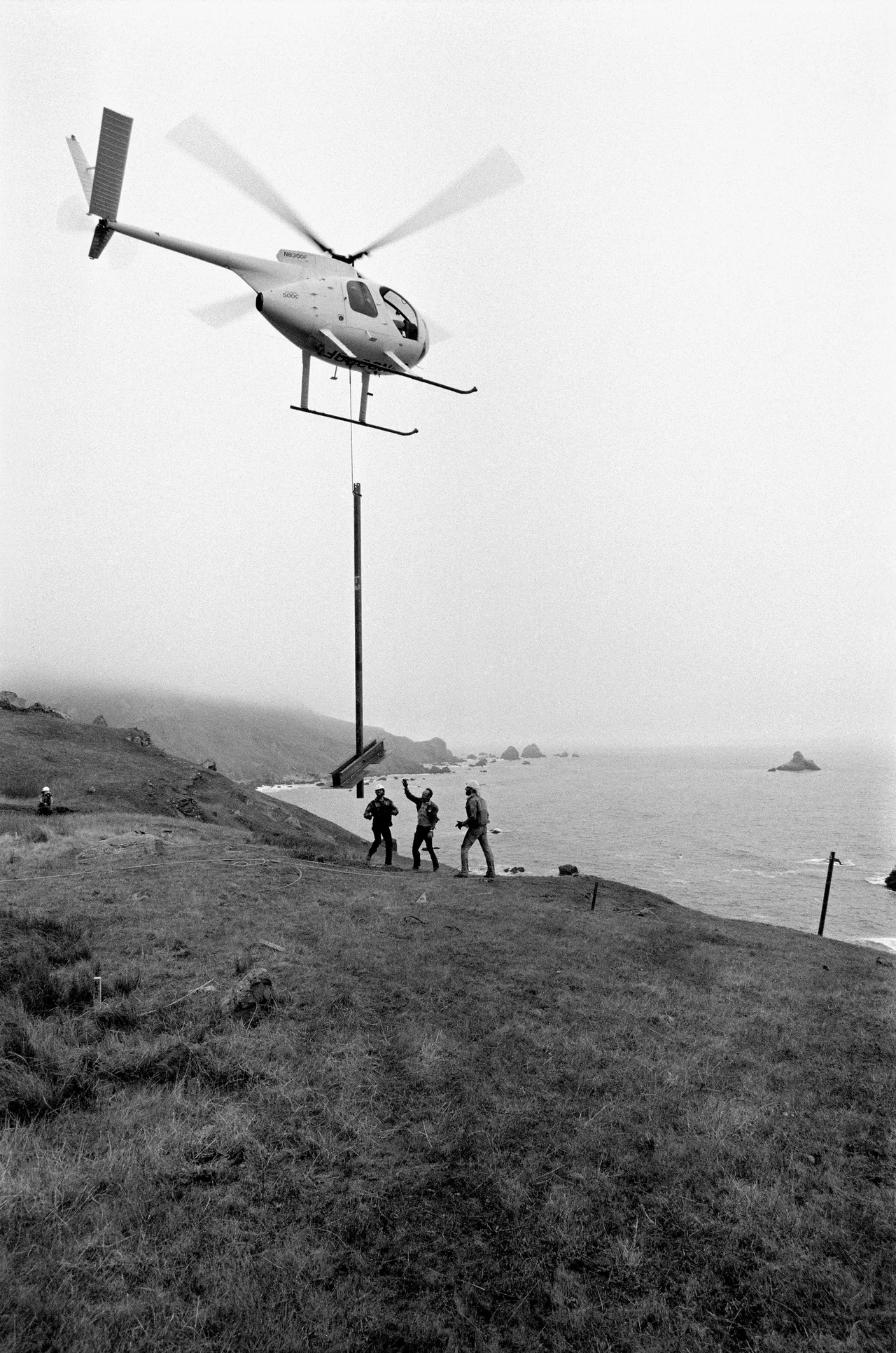
Engineers, landowners, surveyors and lawyers worked with Christo and Jeanne-Claude. Public hearings and negotiations were part of making the work.
Christo's interview with the Smithsonian ↗The wind changed the drawing
In full-size tests, anchors made the fabric form arches in the wind. Christo recalled that these shapes had been absent from the early drawings.
Christo's interview with the Smithsonian ↗
After two weeks, the fence came down. Landowners reused its materials. ↗
Built to come apart.
Homage to New York
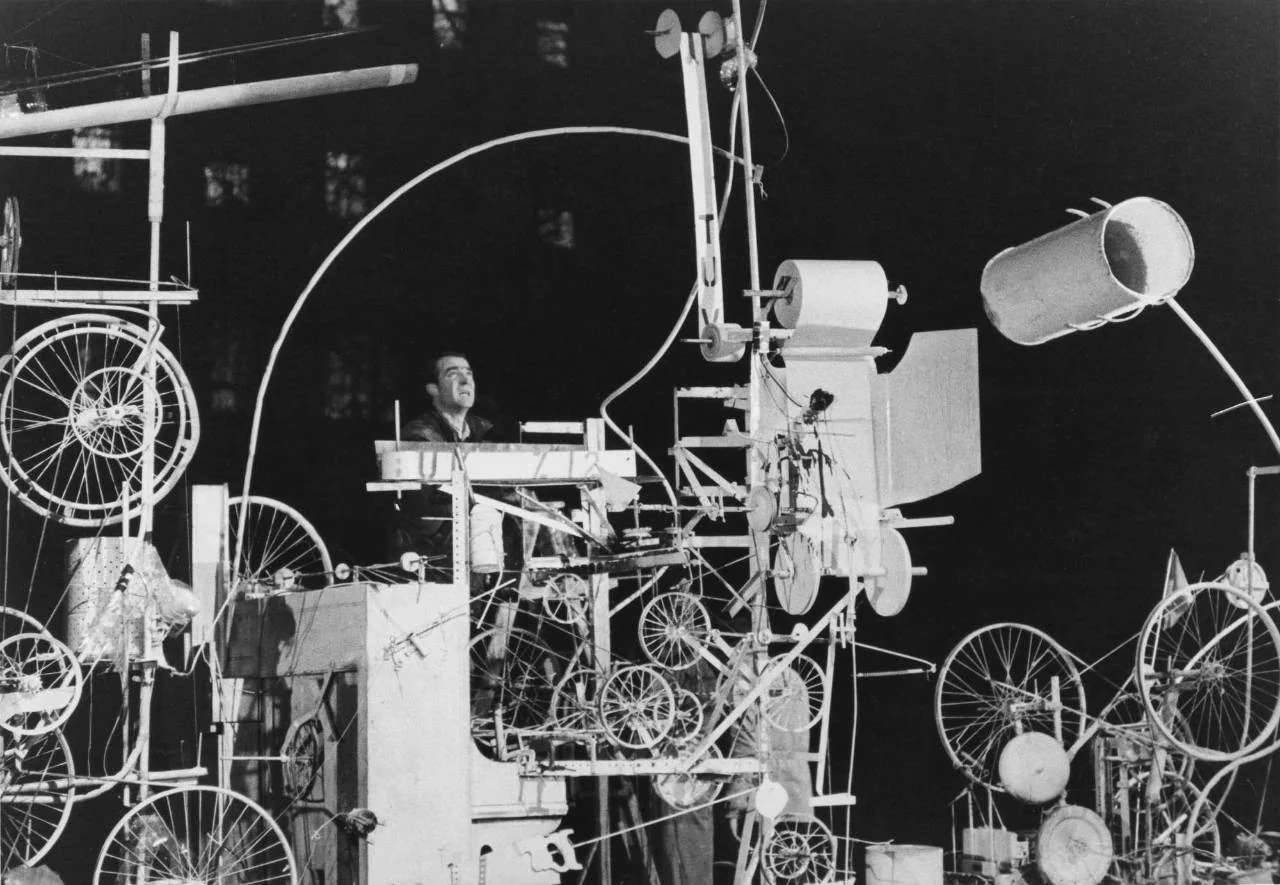
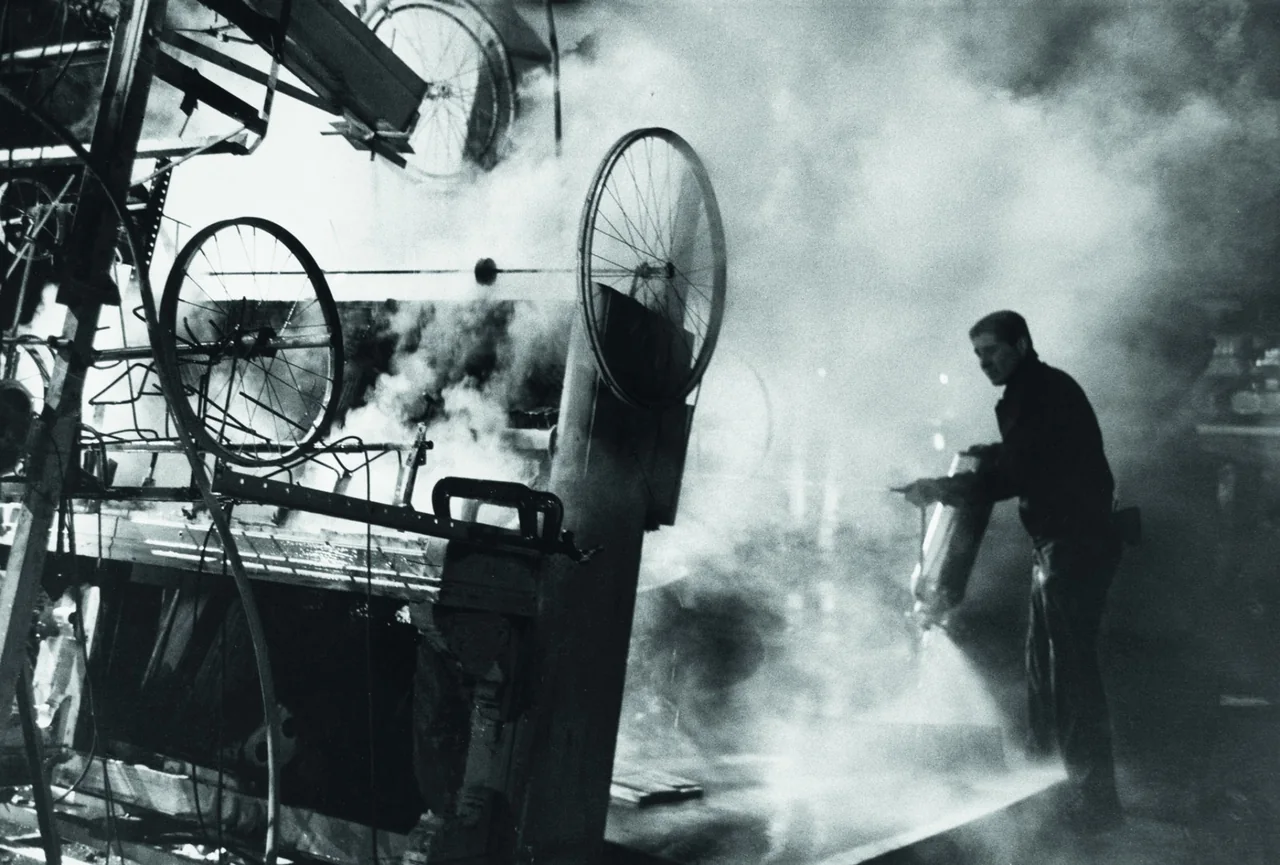
An elaborate machine made for the evening it would destroy itself.
Smoke in the sculpture garden
On 17 March 1960, Tinguely's machine erupted in sound, smoke and flames at MoMA. A firefighter intervened to extinguish the flames.
MoMA on the performance ↗Three weeks of assembly
Tinguely built it with six helpers. Fifteen motors and eight timers or delay relays controlled the planned sequence of movement and collapse.
MoMA's 1960 press release ↗What the city threw away
Much of the material came from New Jersey dumps: bicycle wheels, old motors, a piano and a bathtub. Discarded objects became the working parts.
MoMA's 1960 press release ↗
The performance happened once. The machine only partly destroyed itself. ↗
You were inside the image.
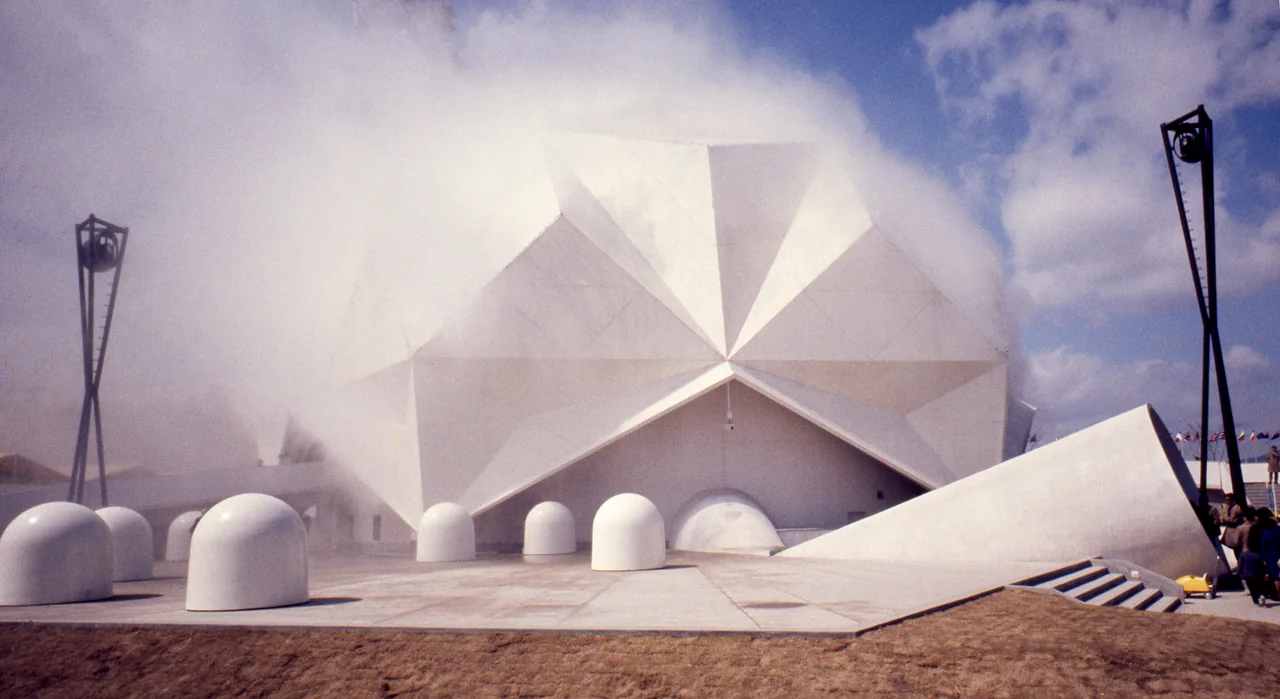
Pepsi Pavilion
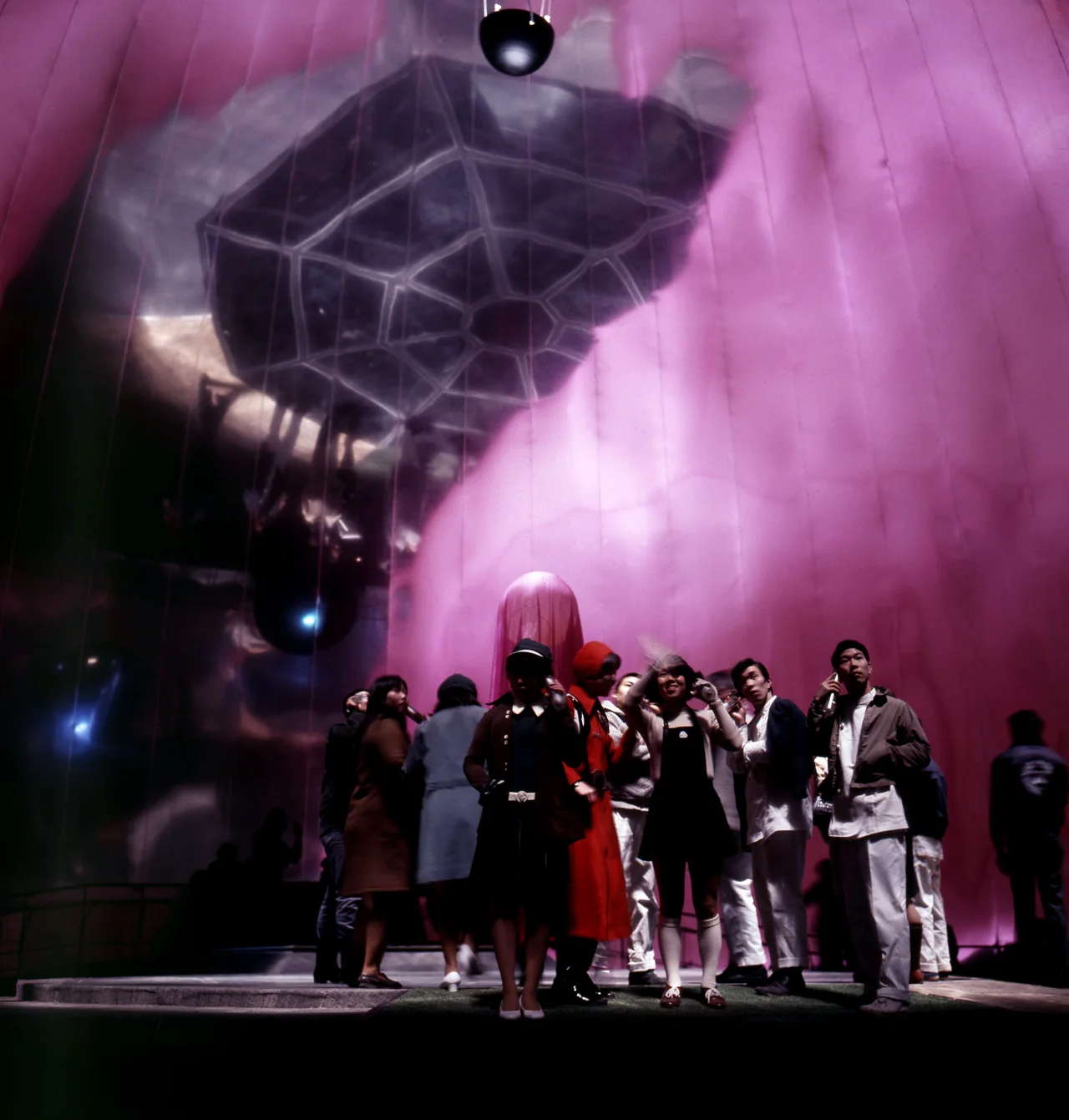
A pavilion in Osaka put visitors inside a vast spherical mirror.
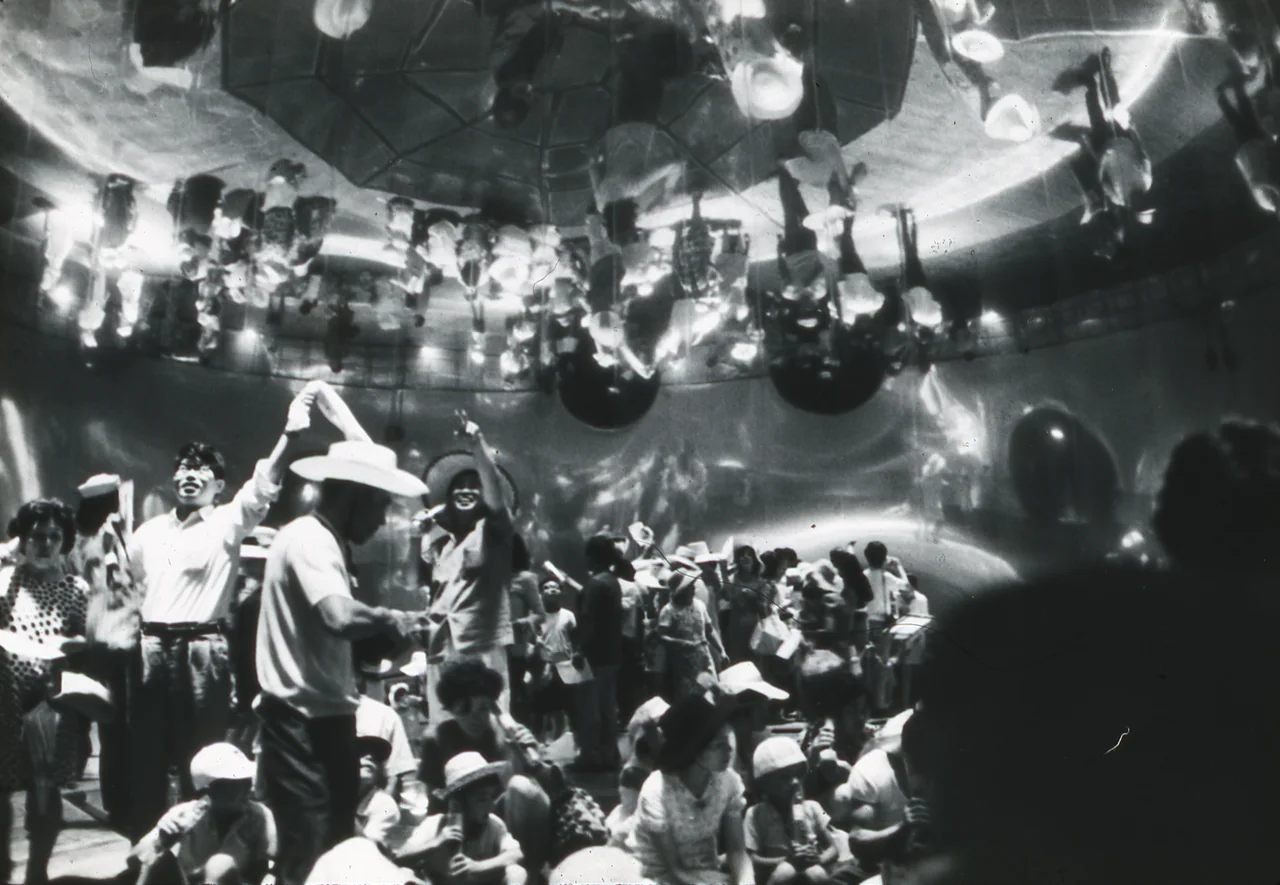
People floating above themselves
Inside the pavilion at Expo '70, visitors saw images of themselves overhead. Outside, Fujiko Nakaya's fog covered the dome.
E.A.T. on the pavilion ↗A fog sculpture needed an engineer
Fujiko Nakaya developed the fog with engineer Tom Mee. E.A.T. credits twenty artists and fifty engineers and scientists with contributions to the pavilion's elements.
E.A.T. on the pavilion ↗A mirror already in use
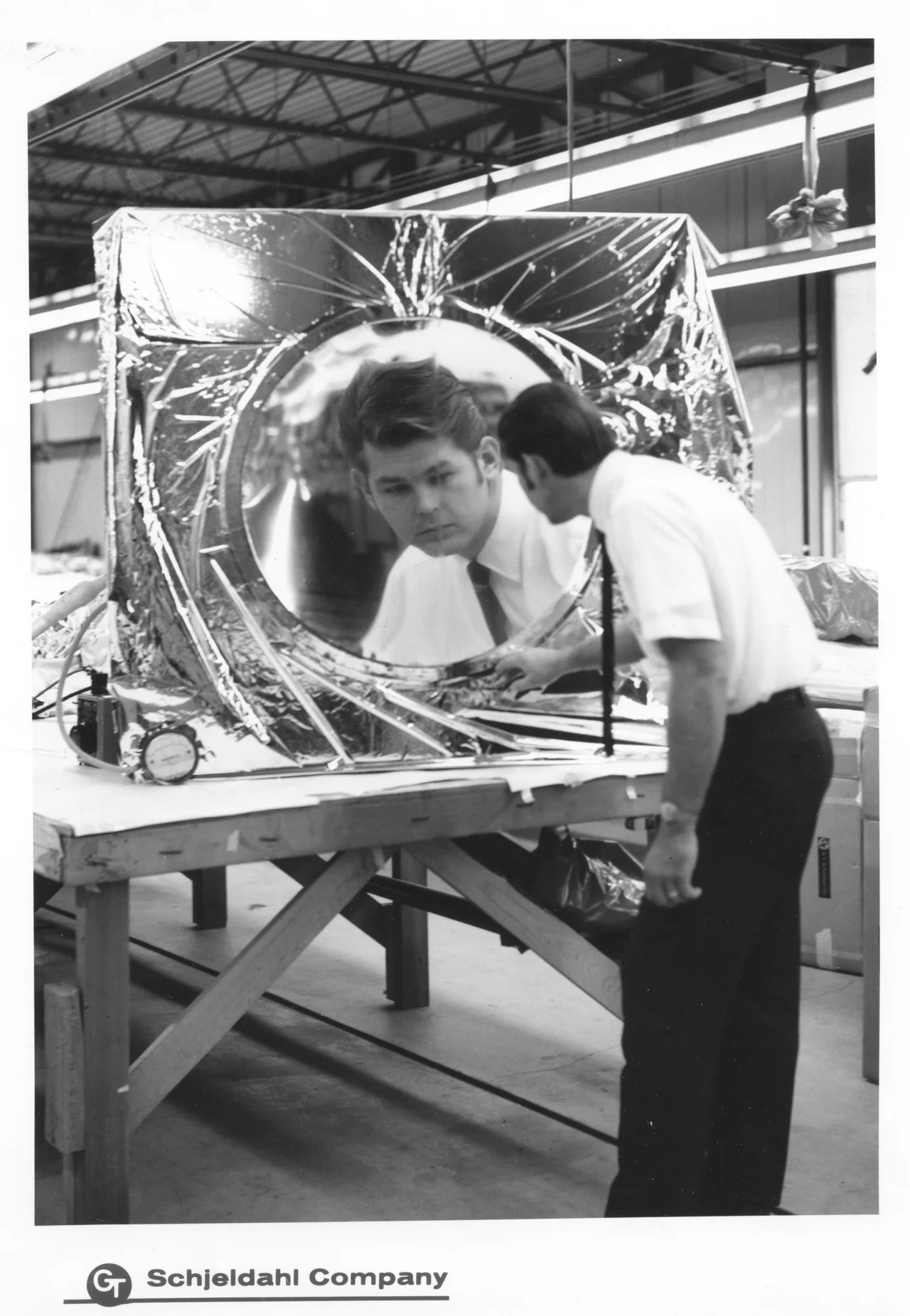
Robert Whitman had used curved mirrors in earlier performances. Physicist Elsa Garmire calculated what a much larger one would require. The team tested a full-size mirror in a former dirigible hangar, with people inside it.
E.A.T. on the mirror experiments ↗
One month into the exhibition, Pepsi cancelled E.A.T.'s live performance programme. ↗
A person pedalled it into the air.
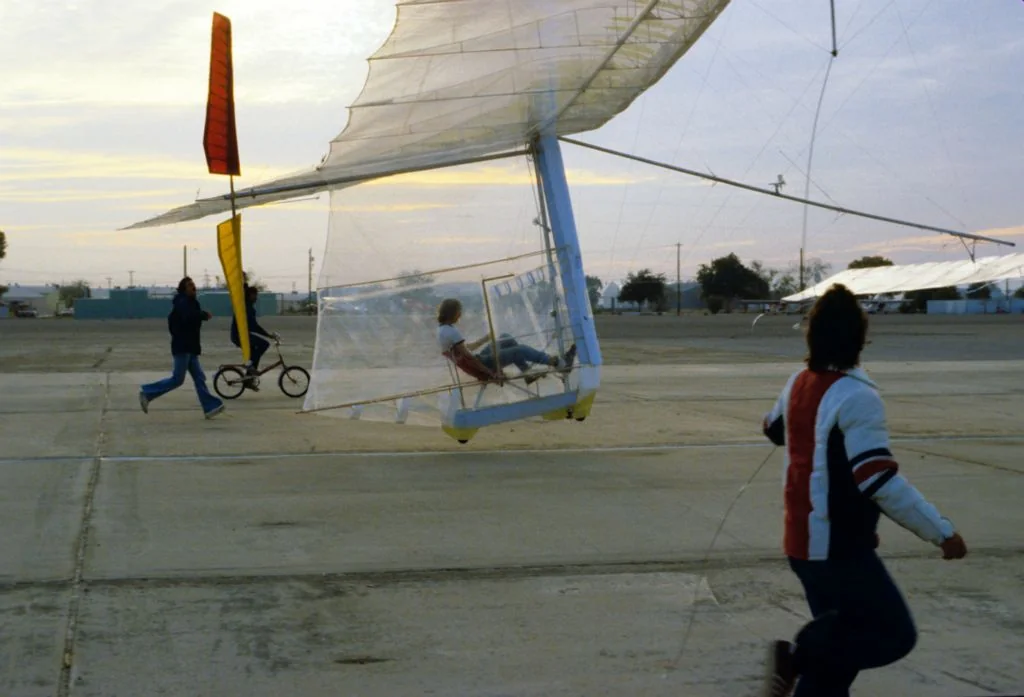
Gossamer Condor
A fragile aircraft completed a figure-eight course on human power.
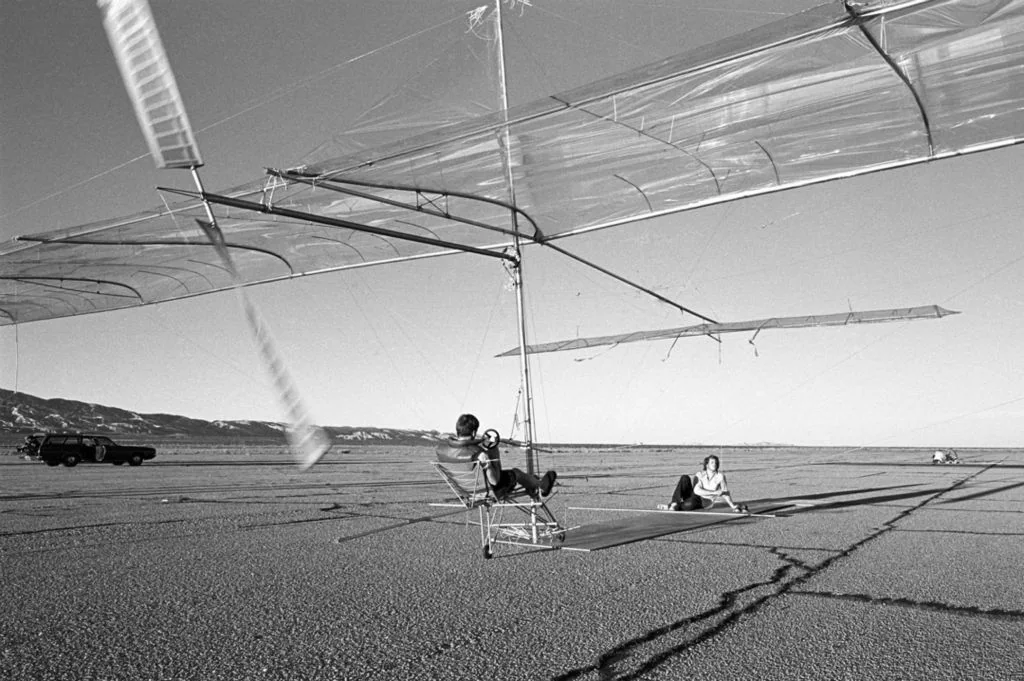
A figure-eight on pedal power
On 23 August 1977, Bryan Allen powered and piloted the Gossamer Condor around the Kremer Prize course.
Filmmaker Ben Shedd's account ↗Models, repairs, test flights
MacCready worked with friends and family through successive models. His sons helped test the aircraft; control problems led to experiments with a model in a swimming pool.
Paul MacCready's Caltech oral history ↗Timing birds from a car
MacCready recalled measuring birds' circling flight on a family trip. Combined with hang-gliding experience, those observations helped him reason toward larger wings and very low weight.
Paul MacCready's Caltech oral history ↗
The Condor succeeded. Its successor, the Albatross, crossed the English Channel in 1979. ↗
And you, mister?
“Has anyone done this before?”
is a hard place to begin.
Start with something you noticed.
Nothing you write is sent anywhere.